
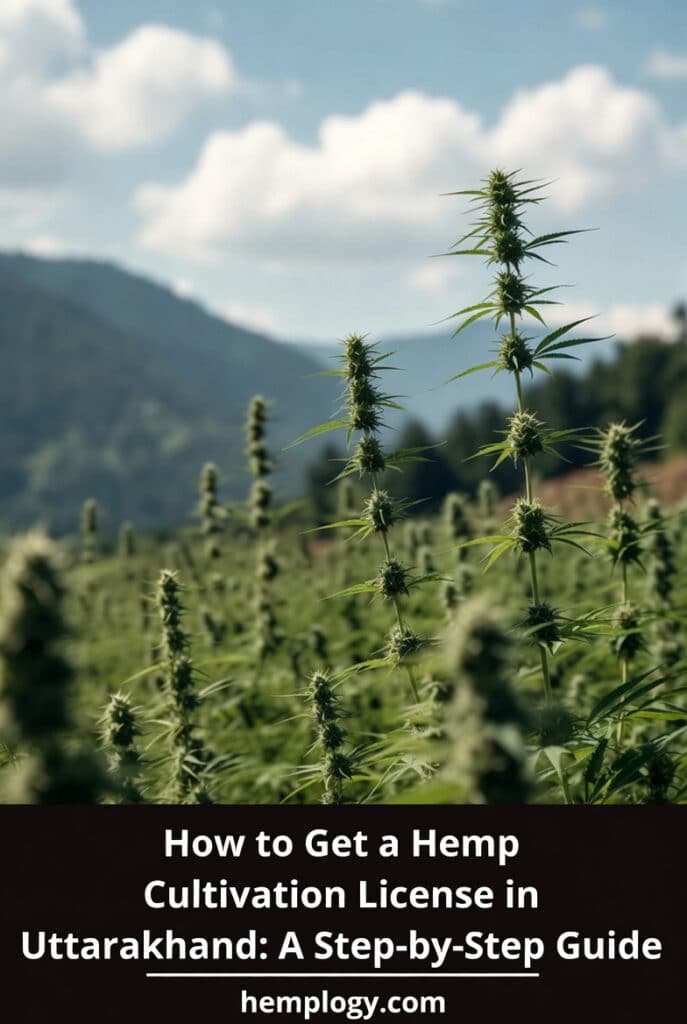
Becoming a “Hemp-preneur” in India is no longer just a pipe dream—it is a legal, profitable, and sustainable reality. If you’ve been looking at the rolling hills of Uttarakhand and wondering how to turn that greenery into “Green Gold,” you’re in the right place.
Uttarakhand was the first state in India to open its doors to industrial hemp, but the path from seed to sale is paved with specific rules. Based on the official Uttarakhand Industrial Hemp Rules (2016), here is your definitive guide to starting your hemp cultivation journey.
Green Gold: How to Kickstart Your Industrial Hemp Farm in Uttarakhand
The world is waking up to hemp. From sustainable textiles and “hempcrete” construction to superfood seeds, this plant is a powerhouse. But before you sow your first seed, you need to understand the “Uttarakhand Model.”
In 2016, under the NDPS Act, the state government laid out a roadmap for cultivation. Here is how you navigate it.
1. The Golden Rule: It’s All About the THC
In the world of cannabis, there is a fine line between a crop and a controlled substance. That line is 0.3% THC.
Industrial Hemp must have a THC (Tetrahydrocannabinol) content of 0.3% or less.
The Uttarakhand government only permits cultivation for seeds and fiber.
The Risk: If your crop tests higher than 0.3%, it will be destroyed without compensation. Always ensure your seed source is certified low-THC.
2. Getting Your License (The Paperwork)
You cannot grow hemp without a license from the District Collector. It’s not a one-size-fits-all permit, either. Depending on your goals, you’ll need specific forms:
IHC-A1: This is your starting point—the application for cultivation and storage.
Character Matters: You must submit a character certificate. The state wants to ensure that industrial hemp stays industrial and doesn’t leak into the illegal market.
Ownership: You must either own the land or have a legal lease. If you are a company, you can partner with local landowners.
3. The Cost of Doing Business
Cultivating hemp is surprisingly affordable compared to other commercial crops:
Cultivation Fee: ₹1000 per hectare, per year.
Storage-only Fee: ₹500 (for units that don’t grow but just store).
4. The Harvest Protocol (Don’t Just Cut!)
This is where many new farmers get confused. You cannot just harvest when you feel the crop is ready.
Notify the Authorities: You must inform the Collector three weeks before harvesting.
Mandatory Testing: Officials will come to collect samples for THC testing. You bear the cost of this lab work, so factor that into your business plan.
Transport: You can’t just toss your harvest into a truck. You need an IHC-4 Transport Pass to move your fiber or seeds to a buyer.
5. Why Entrepreneurs are Moving to the Hills
Why choose hemp over traditional crops?
Low Water, No Pesticides: Hemp is a “weed”—it grows fast, requires very little water, and naturally resists most pests.
Carbon Negative: It’s great for the planet, absorbing more CO2 than most trees.
Diverse Revenue: You can sell the fiber to textile giants and the seeds to the wellness industry.
Pro-Tips for Success:
Maintain Your Registers: The rules require strict record-keeping of every gram produced and sold. Treat your farm like a pharmacy—precise and documented.
Verify Your Buyers: You can only sell to units that hold an IHC-3 license (processing license). Selling to an unlicensed buyer could get your license cancelled and land you on a blacklist.
Soil First: While hemp is hardy, well-drained loamy soil with a pH of 6.0–7.5 will give you the best fiber quality.
Final Thoughts
The “Hemp Revolution” in Uttarakhand is a massive opportunity for young entrepreneurs and farmers alike. It’s a chance to revitalize hill agriculture while feeding the global demand for sustainable materials.
Ready to get started? Download the IHC-A1 form from the Uttarakhand Excise Department and start your journey into the future of farming.
For more deep dives into hemp policy, processing tech, and market trends, keep following Hemplogy.com—your home for the modern hemp movement.