
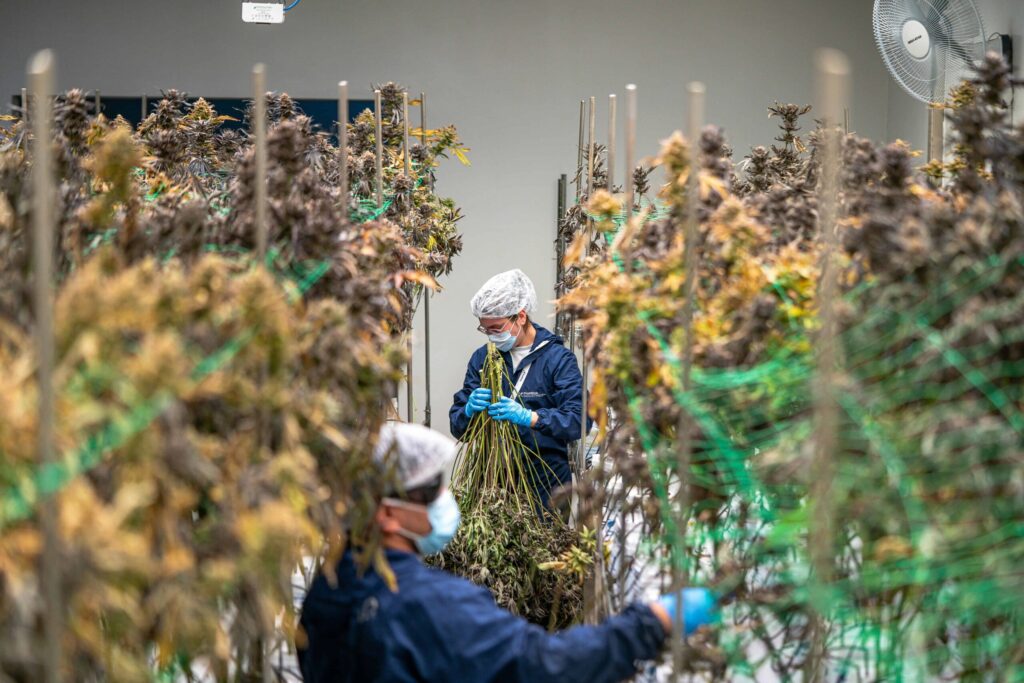
Hemp (Cannabis sativa) has been part of India’s culture for thousands of years — from Ayurveda remedies to Vedic rituals. Today, it is re‑emerging as a sustainable crop for textiles, food, medicine, and construction. But before you start cultivating hemp, you must secure a government license. This guide explains the process, eligibility, and why farmers must sell their harvest only to licensed processors.
If you’re planning to grow hemp in India, you must apply for a government license and follow strict guidelines — including selling your harvest only to licensed processors. This guide walks you through the application process, legal requirements, and best practices to stay compliant and profitable.
Current Hemp Cultivation Policies by State (India, 2025–2026)
| State | Status | Key Highlights |
|---|---|---|
| Uttarakhand | ✅ Legal since 2015 | First state to legalize hemp under NDPS Act; over 25 licensed farmers; slow progress due to seed import issues |
| Himachal Pradesh | ✅ Legalized in Dec 2025 | CM Sukhu launched industrial hemp policy with strict THC limits (below 0.3%) |
| Rajasthan | ✅ Draft policy in 2025 | Pushing AYUSH-aligned hemp cultivation for textiles, food, and Ayurveda |
| Odisha | ✅ Draft policy in 2025 | Exploring hemp for industrial and medicinal use under AYUSH guidelines |
| Madhya Pradesh | ✅ Draft policy in 2025 | Expanding regulated hemp farming with focus on farmer income and green investment |
| Uttar Pradesh | 🟡 Pilot phase | Some activity in research and controlled cultivation, not yet fully commercial |
| Andhra Pradesh, Gujarat, Punjab | 🟡 Exploratory stage | Discussions underway, no formal licensing yet |
Why Hemp Licensing Matters
- Hemp is legal in India only under strict conditions: THC content must remain below 0.3%.
- Licenses ensure traceability, safety, and compliance with the NDPS Act, 1985.
- Selling harvests only to licensed processors prevents misuse and supports the regulated hemp industry.
📜 Current Legal Status in India
- Uttarakhand was the first state to allow commercial hemp farming under Section 14 of the NDPS Act.
- Uttar Pradesh has also legalized hemp cultivation.
- Himachal Pradesh, Rajasthan, Andhra Pradesh, and Gujarat are exploring or piloting hemp projects.
- Farmers outside these states can apply for research licenses but not commercial cultivation yet.
🧾 Eligibility Criteria
To apply for a hemp license, you must:
- Own agricultural land (or have a valid lease).
- Be an individual, business, or academic institution with land rights.
- Ensure your farm can be inspected by government officials.
- In some cases, obtain GMP certification if you plan to process hemp products.
📝 Required Documents
- Land ownership proof or lease agreement
- Aadhaar card and PAN
- Passport‑size photographs
- Farm site map and cultivation plan
- Seed certification and expected yield details
🛠️ Application Process
- Choose your state portal (Agriculture Department or AYUSH Ministry).
- Fill out forms (e.g., Uttarakhand uses IHC‑A1 for license application, IHC‑A2 for storage approval).
- Submit documents online or at the district agriculture office.
- Inspection: Officials will verify land, security, and compliance with THC limits.
- Approval: License is issued for 1–3 years, renewable upon compliance.
⚠️ Selling Your Harvest
- Farmers must sell hemp only to licensed processors — companies authorized to handle, extract, or manufacture hemp products.
- Direct sales to the public or unlicensed buyers are prohibited.
- This ensures hemp is used for legal purposes like textiles, food, and medicine.
🌍 Opportunities Ahead
- The FSSAI (Food Safety and Standards Authority of India) now allows hemp seed, oil, and flour in food products (since 2021).
- India’s hemp market, currently valued at USD 2–3 million, is expected to grow to USD 500–700 million in the coming years.
- With over 100 hemp start‑ups already active, licensed farmers will play a key role in this green revolution.
✨ Conclusion
Applying for a hemp license may feel bureaucratic, but it’s the gateway to a sustainable and profitable crop. By following the rules and selling only to licensed processors, farmers can contribute to India’s hemp industry while staying legally protected. Hemp is not just a plant — it’s a future‑proof resource for food, medicine, and eco‑friendly living.
Pro Tips for First-Time Growers
- Join a state-recognized hemp farmers’ group for support and updates.
- Use low-THC certified seeds to avoid legal trouble.
- Keep detailed logs of your farming activities — they may be required during inspections.
- Consider working with a consultant or agritech firm to streamline compliance.