
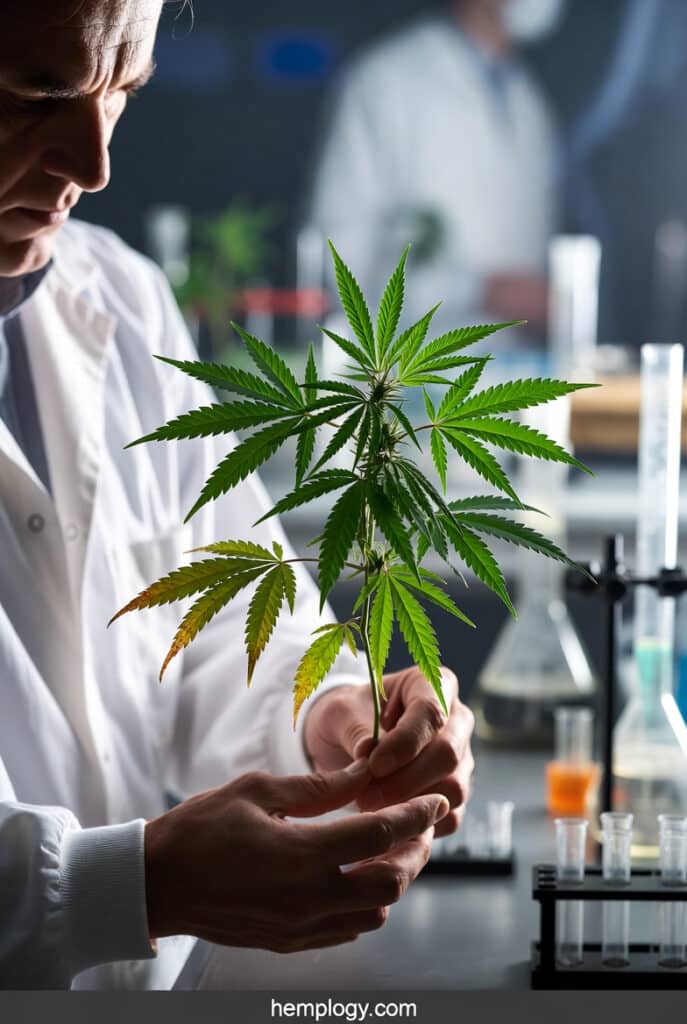
Botanical overview and taxonomy
Species and varieties: Cannabis sativa L. is one of the principal cannabis species recognized in botanical literature. Within Sativa, there are low‑THC cultivars commonly called “industrial hemp” and higher‑THC cultivars grown for medicinal and adult‑use markets. The popular “Sativa vs Indica” dichotomy describes morphological tendencies (Sativa: taller plants, narrower leaves, longer flowering; Indica: shorter, bushier), but modern breeding has produced extensive hybrids, so plant chemotype (its chemical profile) is more informative than labels alone.
Morphology and cultivation: Sativa plants often thrive in warmer, sunnier climates and can reach two to six meters depending on variety and growing conditions. Hemp cultivars are bred for stalk fiber (textiles, paper, biocomposites) or seeds (food oils, protein). Medicinal cultivars are optimized for cannabinoid and terpene profiles rather than fiber yield.
Phytochemistry: cannabinoids, terpenes, and beyond
Cannabinoids: Cannabis produces a family of compounds called cannabinoids. The two most studied are Δ9‑THC (tetrahydrocannabinol) and CBD (cannabidiol). THC is psychoactive and binds primarily to the CB1 receptor in the central nervous system, modulating neurotransmission associated with perception, mood, and appetite. CBD is non‑intoxicating, has low affinity for CB1/CB2 receptors, and influences multiple signaling pathways (e.g., serotonin receptors, TRPV channels), which may underpin its therapeutic potential in anxiety, epilepsy, inflammation, and pain.
Terpenes: Terpenes are aromatic molecules also found in citrus, pine, lavender, and other plants. In cannabis, common terpenes include myrcene, limonene, pinene, and linalool. Terpenes can influence scent and may modulate perceived effects through pharmacological interactions (sometimes discussed as the “entourage effect”), though controlled clinical data remain limited and mixed.
Chemovars and standardization: Because plant chemistry varies by genetics, cultivation, and processing, two products labeled “Sativa” can differ substantially. Rigorous testing for cannabinoid and terpene content, contaminants (pesticides, heavy metals), and microbial safety is essential to ensure consistent, reproducible effects and consumer protection.
The endocannabinoid system: how Sativa interacts with the body
Humans and other mammals possess an endocannabinoid system (ECS), a physiological network involved in homeostasis. It includes:
- Receptors: CB1 (dense in the brain and spinal cord) and CB2 (prominent in immune and peripheral tissues).
- Endogenous ligands: Anandamide (AEA) and 2‑arachidonoylglycerol (2‑AG), which the body synthesizes on demand.
- Enzymes: FAAH and MAGL, which break down endocannabinoids.
THC acts as a partial agonist at CB1, altering neurotransmitter release (e.g., GABA, glutamate). CBD’s actions are more indirect, influencing receptor signaling, enzymatic pathways, and inflammatory mediators. This system’s breadth explains why cannabis can affect pain, appetite, mood, sleep, and immune responses, but also why side effects and drug interactions require caution.
Evidence landscape: what research suggests (and what it doesn’t)
Established/accepted uses: A robust clinical evidence base supports cannabinoids for certain indications. Examples include CBD for specific pediatric epilepsies and THC‑containing medicines for chemotherapy‑induced nausea and vomiting. There is moderate evidence for chronic pain relief in some populations and for spasticity in conditions like multiple sclerosis, though outcomes vary.
Emerging areas: Anxiety, insomnia, PTSD, and inflammatory conditions are active areas of research. Results are mixed, often limited by small sample sizes, heterogeneous products, and differences in dosing and routes of administration (oral oils, vaporized flower, capsules). High‑quality randomized trials and standardized products are still needed for many claims.
Risks and uncertainties: Regular high‑THC use can impair memory and attention, provoke anxiety or paranoia in susceptible individuals, and may be associated with cannabis use disorder. Adolescents and people with psychiatric vulnerabilities warrant particular caution. Smoked routes introduce combustion byproducts; non‑smoked forms reduce but do not eliminate risks.
Safety, dosing, and interactions
- Product quality: Seek products with lab reports detailing cannabinoid/terpene content and contaminant testing. Avoid unverified sources.
- Dosing principles: For novices, medical guidance commonly emphasizes “start low and go slow,” titrating cautiously to minimize adverse effects. Individual responses vary based on genetics, prior exposure, and co‑morbidities.
- Drug interactions: CBD can influence cytochrome P450 enzymes, potentially altering the metabolism of certain pharmaceuticals (e.g., anticonvulsants, blood thinners). People on medications or with chronic conditions should consult qualified healthcare professionals before using cannabinoid products.
- Pregnancy and lactation: Most medical bodies advise against cannabis use during pregnancy and breastfeeding due to potential risks to fetal and infant development.
This guide provides general information only; medical decisions should be made with licensed professionals.
Legal landscape and policy considerations
- Global variability: Cannabis laws differ widely. Some countries allow adult use and medical markets; others restrict to medical access under prescription; many still prohibit possession and cultivation. Hemp (low‑THC varieties) is legal in more jurisdictions for industrial and nutritional uses, but permissible THC thresholds and licensing requirements vary.
- Compliance matters: Where legal, regulated products undergo testing, labeling, and age controls. In illegal markets, quality and safety cannot be assured. Travelers should be aware that cross‑border transport of cannabis products (including CBD) can be illegal even when both origin and destination have permissive policies.
- India context (high level): Industrial hemp has seen growing interest under controlled frameworks in some states, while non‑medical, recreational cannabis remains restricted at the national level. Always verify current local regulations before engaging in cultivation, processing, or use.
Industrial hemp: sustainability and applications
Hemp is an ecological workhorse:
- Fiber and materials: Strong bast fibers support textiles, rope, paper, bioplastics, and composite materials. With proper processing, hemp can replace or augment more resource‑intensive inputs.
- Hempcrete and construction: Hemp hurd (woody core) mixed with a lime binder produces hempcrete, a low‑density, insulating material valued in green building. It offers thermal regulation and moisture buffering, though it is typically non‑structural and used in combination with framing systems.
- Nutrition and wellness: Shelled hemp seeds (hemp hearts) are rich in protein, polyunsaturated fats (including omega‑3 and omega‑6), and micronutrients. Cold‑pressed hemp seed oil is used in foods and cosmetics; it contains negligible cannabinoids compared to resin‑rich flower extracts.
- Agronomic benefits: Hemp can grow rapidly, with relatively low pesticide needs in appropriate rotations. Its deep roots can improve soil structure, though benefits depend on local conditions and agronomic practice.
Beyond the “Sativa vs Indica” shortcut: choosing by profile and purpose
For educational clarity, it’s better to move beyond marketing labels and focus on:
- Chemotype: THC/CBD ratios (e.g., high‑THC, balanced THC:CBD, high‑CBD).
- Terpene spectrum: Dominant terpenes may relate to perceived effects and aroma.
- Route of administration: Inhalation (fast onset, shorter duration), oral oils/capsules (slower onset, longer duration), topical formulations (localized application).
- Use case: Symptom targets (e.g., pain, spasticity), functional goals (e.g., avoiding intoxication), and safety constraints (e.g., driving, workplace rules).
This approach supports more rational, evidence‑aligned decisions and avoids overgeneralization based on plant morphology.
Key takeaways for beginners
- Cannabis sativa encompasses both hemp and higher‑THC cultivars; chemistry matters more than labels.
- The endocannabinoid system explains cannabis’ broad effects but also its risks and drug interactions.
- Evidence is strongest for specific medical indications; many claims remain under study.
- Legal status varies. Compliance and product testing are crucial for safety.
- Hemp offers sustainable industrial and nutritional applications beyond psychoactive use.
Final word
Hempology extends its best wishes and hopes this guide has brought you greater clarity about the Sativa plant and its many uses. We remain deeply fascinated by this remarkable species, which continues to reveal countless ways it can benefit humankind. Our journey of exploration will go on, as we uncover new dimensions of this plant and share them with you. Mother Earth offers us endless gifts, and as curious learners, we will keep cherishing and researching this one — a true treasure of nature.